


Sustainable & Renewable Energy
Sustainable & Renewable Energy: A Strategic Perspective for the Future
 Understanding Renewable Energy
Renewable energy refers to naturally replenished sources that provide consistent, low‑emission power. These technologies form the foundation of modern sustainable infrastructure:
1. Solar Photovoltaic (PV) & Solar Thermal Systems
- Rapid cost decline due to improved manufacturing and efficiency gains.
- Large-scale solar farms now regularly exceed 25–28% PV efficiency.
- Suitable for commercial rooftops, industrial parks, and grid-scale installations.
2. Wind Energy (Onshore & Offshore)
- Modern turbines reach 15 MW capacity, powering thousands of homes.
- Offshore wind is emerging as a dominant force due to stable wind profiles.
3. Geothermal Systems
- Provides continuous baseload power independent of weather variations.
- High efficiency for district heating, industrial heating, and electricity.
4. Hydropower & Micro-Hydro
- Mature, reliable, and long‑lasting infrastructure.
- Micro-hydro systems support rural electrification and local microgrids.
5. Biomass, Biogas & Waste-to-Energy
- Converts agricultural waste, organic residue, and municipal waste into clean energy.
- Reduces landfill volume and supports circular economy initiatives.
Why Sustainable Energy Matters for Corporations
Sustainable energy is now directly linked to business resilience and long-term profitability. Its strategic benefits include:
- Decarbonization compliance: Meeting global standards such as Net‑Zero 2050, EU Green Deal, and ESG reporting.
- Operational savings: Renewable energy PPA (Power Purchase Agreements) reduce long-term electricity cost volatility.
- Brand value enhancement: Sustainability is now a core expectation from investors and customers.
- Energy security: Distributed renewable systems minimize dependency on imported fuels.
- Innovation and competitiveness: Early adopters benefit from new markets and advanced technologies.
Future Outlook: Key Emerging Technologies
The next decade will bring fundamental changes to global energy systems. Major trends include:
1. Smart Grid & Digital Energy Infrastructure
- AI-driven demand forecasting.
- Autonomous load balancing and self-healing grid systems.
- Two-way energy flows enabling consumers to become prosumers.
2. Advanced Energy Storage Systems
Energy storage is becoming the backbone of renewable integration:
- Lithium-ion and sodium-ion battery advancements.
- Liquid-air and thermal energy storage.
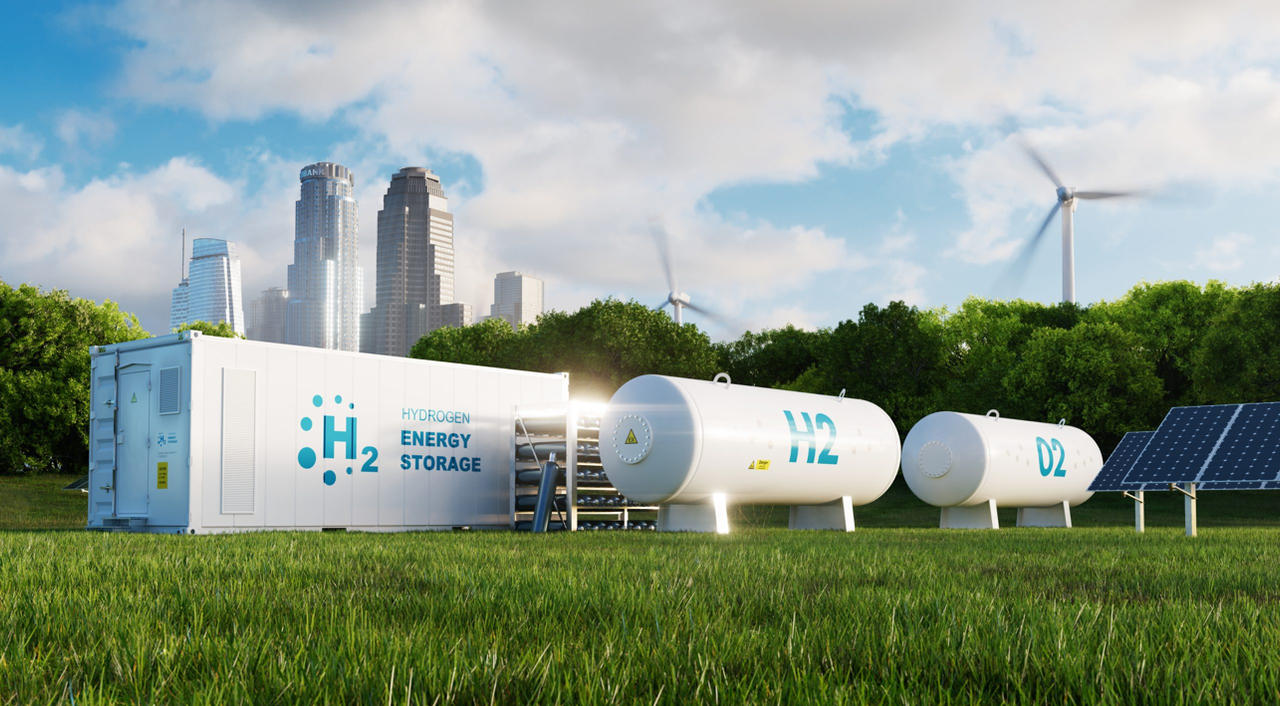
- Large-scale hydrogen storage for seasonal balancing.
3. Green Hydrogen & Power-to-X Technologies
- Hydrogen produced from renewable electricity will decarbonize industries such as steel, cement, and chemicals.
- Synthetic fuels (Power-to-X) will provide low-carbon alternatives for aviation and maritime transport.
4. Electrification of Mobility
- EV adoption is expected to surpass 50% of new vehicle sales by 2035.
- Ultra-fast charging networks will be integrated with renewable-powered grids.
- Vehicle-to-Grid (V2G) systems will provide additional grid support.
5. Carbon Capture, Utilization & Storage (CCUS)
- Direct Air Capture (DAC) and industrial carbon capture becoming scalable.
- Integration into heavy industry will accelerate carbon-neutral production.
6. AI & IoT-Driven Energy Management
- Predictive analytics for peak shaving and load optimization.
- Intelligent building automation systems.
- Real-time monitoring of energy assets for improved performance.
Strategic Roadmap for Sustainable Energy Systems
Companies and governments worldwide are developing integrated energy strategies built on these pillars:
1. Modular & Distributed Energy Systems
- Hybrid microgrids combining solar, wind, storage, and generators.
- Ensures resilience for industrial facilities and remote operations.
2. Large-Scale Renewable Energy Zones
- Utility-scale solar and wind zones feeding clean electricity directly into national grids.
- Reduces grid congestion and improves energy distribution efficiency.
3. Smart Buildings & Energy-Efficient Architecture
- High-efficiency HVAC systems, heat pumps, and low-energy building materials.
- AI-based management systems reduce operational energy consumption.
4. Corporate Power Purchase Agreements (PPAs)
- Long-term contracts that provide cost predictability and sustainability compliance.
- Increasingly adopted by major global corporations.
5. Full Sustainability Integration
- Circular economy principles.
- Zero-waste energy production.
- Environmentally responsible supply chains.